Complex Wound Care
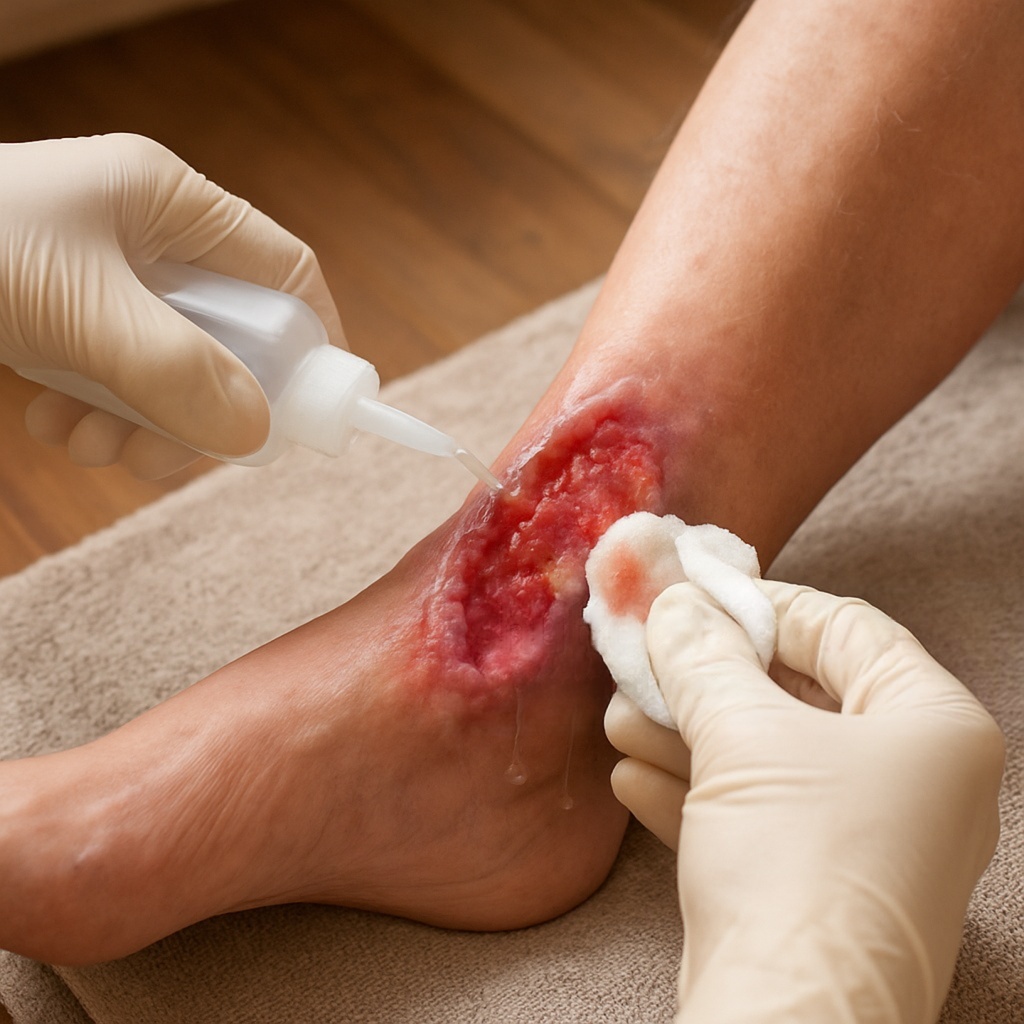
About Complex Wound Care
Although complex wound care emerged as a dedicated clinical specialty only in the latter half of the 20th century, early leaders in surgical and nursing practice laid the foundation for modern wound-management principles and the development of organized wound-care associations.
- Diabetic foot ulcer assessment
- Gastrointestinal fistula wound evaluation
- Wounds associated with hepatic dysfunction (e.g., edema-related ulcers)
- Moisture-associated skin damage assessment, including periwound moisture testing

Chronic Wound Management Unit
Open visitation with only two visitors in a room at any given time. No one under 12 years of age may visit.

Infectious or Draining Wound Care Unit
Open visitation with only two visitors in a room at any given time. No one under 12 years of age may visit.

Post-operative or Advanced Wound Therapy Unit (e.g., NPWT, grafts, flaps)
Open visitation with only two visitors in a room at any given time. No one under 12 years of age may visit.
A complex wound is one that does not heal as expected due to factors such as infection, poor circulation, diabetes, pressure, repeated trauma, or underlying medical conditions. Examples include pressure injuries, diabetic foot ulcers, venous or arterial ulcers, surgical wounds that fail to heal, and wounds with exposed structures.
Visit frequency depends on the severity and type of wound. Many patients are seen weekly, while those with higher-risk wounds or advanced therapies (like negative-pressure wound therapy, grafts, or biologics) may require more frequent visits. Your treatment plan will be individualized.
Treatments may include debridement, infection management, advanced dressings, negative-pressure wound therapy (wound vac), compression therapy, offloading, biologic grafts, and moisture-balance interventions. Your care team selects therapies based on wound type and response to treatment.
Following dressing instructions, protecting the wound from pressure or trauma, maintaining good nutrition, managing blood glucose (if diabetic), avoiding smoking, and attending all scheduled follow-ups are key. Report any increased pain, drainage, odor, or redness immediately.
Advanced Wound Imaging
Although complex wound care only emerged as a defined specialty in the late 20th century, early leaders in surgery, nursing, and tissue repair laid the foundation for today’s multidisciplinary wound-care organizations. Their work established principles of debridement, moisture balance, infection prevention, and tissue preservation that guide modern practice.
One of the earliest major breakthroughs influencing the field of wound care was the understanding of tissue perfusion and oxygenation. For centuries, chronic wounds were attributed to “bad humors” or surface contamination alone. Early anatomists believed healing depended solely on topical treatments, overlooking the essential role of blood flow.

Find Your Wound Care Specialist
Open visitation with only two visitors allowed in the room at any given time. No visitors under 12 years of age may enter without prior permission

Complex Wound Care Unit
Open visitation with only two visitors allowed in the room at any given time. No visitors under 12 years of age may enter without prior permission
Clinical Services
Department Address
B-1/1040 Hambran Rd Near Old Dandi Swami Mandir, New Deep Nagar, Civil Lines, Ludhiana, Punjab 141001
Department Hours
Make an appointment
Schedule your consultation for diabetic foot care with our specialists. We will send you confirmation within 24 hours.
Emergency? Call: 9155100001
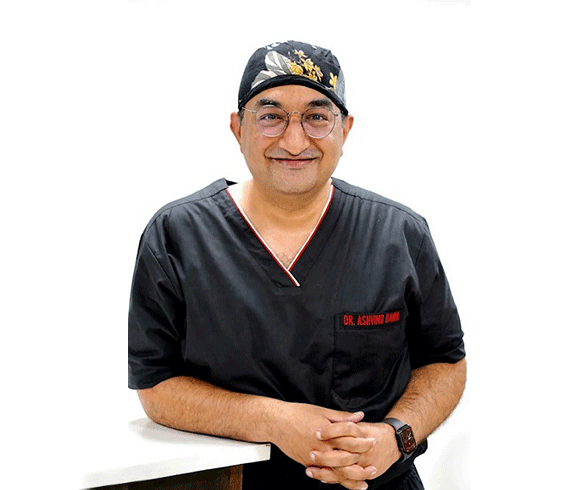
“Dr. Ashvind Bawa performed my hernia surgery with remarkable precision and care. The recovery was smooth, and his team supported me at every step. I feel healthier and more confident today thanks to his expertise.
Anita Verma
Amritsar, Punjab
Subscribe to our newsletter
Stay updated with the latest advancements in general surgery, patient care, and medical innovations. Our department is recognized for delivering safe, high-quality surgical services and continuously adopting modern techniques to improve patient outcomes.